
Bitumen Insights
Iraq Bitumen 50/70 in Jumbo Bags: Export Guide
A practical guide for international buyers evaluating Iraq bitumen 50/70 in jumbo bags, from packaging and container planning to quality documents and safe handling.
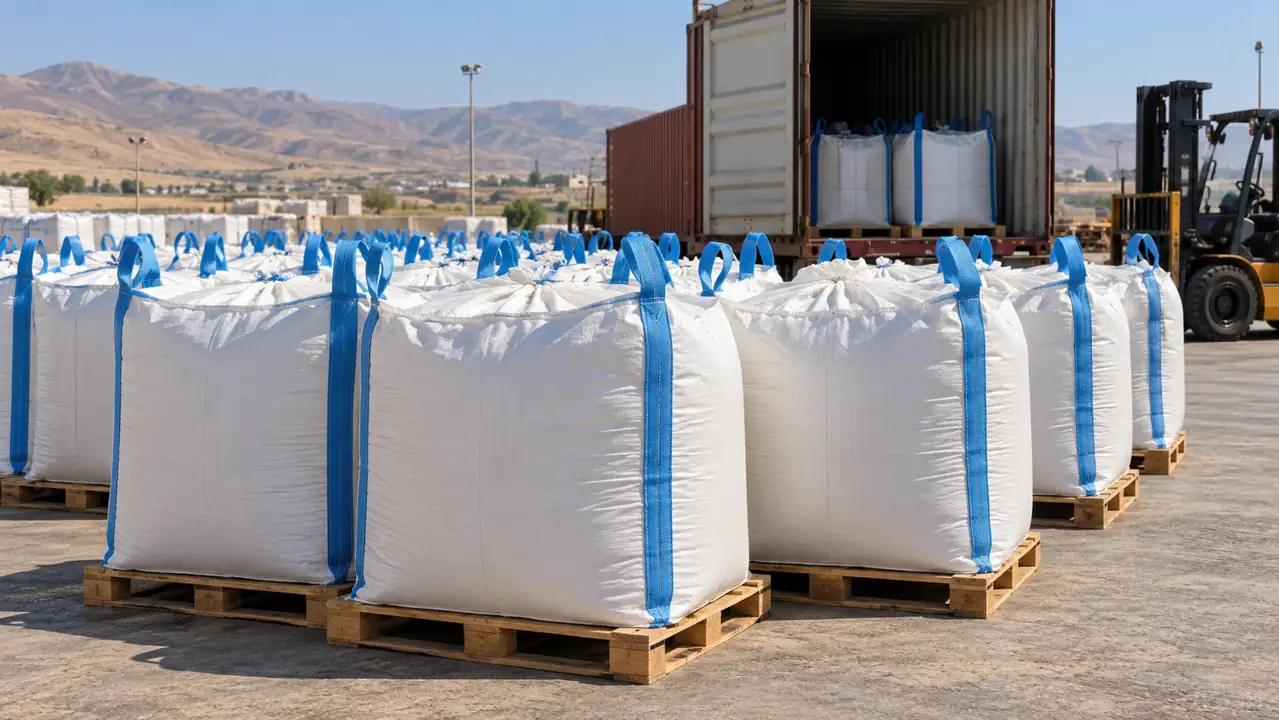
International buyers often compare jumbo bags with steel drums when arranging packaged bitumen shipments. Jumbo bags can reduce the amount of steel packaging and may support efficient container loading, but they are not automatically right for every project. Their value depends on the approved grade, bag construction, unit weight, route, storage conditions and the equipment available to receive and melt the material safely.
This guide focuses specifically on Iraq bitumen 50/70 jumbo bags. It complements our broader Iraq Bitumen 50/70 supplier guide, which covers grade selection, specifications and general export procurement. Here, the emphasis is packaging performance and the questions an overseas buyer should resolve before requesting a jumbo-bag quotation.
Crude Link Trading coordinates transaction-specific petroleum-product supply inquiries as a trader and supply coordinator. Availability, source, packing configuration, loading point, route and price must be confirmed in a written commercial offer for each transaction.
What are bitumen jumbo bags?
Bitumen jumbo bags are flexible intermediate bulk containers designed to hold solidified bitumen for transport and storage. They normally use woven outer material, a compatible inner system, lifting loops and a closing arrangement. Construction, dimensions, liner and nominal filling weight can differ among suppliers.
“Jumbo bag” is therefore not a complete technical specification. An inquiry should identify the required bag type, nominal net weight, pallet requirement, container plan and destination rules. Buyers should request product-specific information rather than assuming that every large white bag has the same heat resistance, lifting capacity or discharge method.
Why buyers consider jumbo bags
Jumbo bags may appeal to customers seeking containerized shipments without the empty-steel disposal associated with drums. Individual units can be lifted with suitable equipment, placed into a controlled melting system and consumed according to the asphalt-plant schedule. The format may also provide a clear unit count when loading and receiving controls are properly documented.
These potential advantages depend on disciplined handling. A punctured liner, damaged loop, unstable pallet or unsuitable melting process can create loss, contamination or safety risks. Procurement teams should evaluate the complete receiving operation instead of choosing packaging on headline freight or unit cost alone.
Why use jumbo bags for Bitumen 50/70?
Bitumen 50/70 is a penetration-grade paving binder selected when the project specification and approved asphalt mix require its consistency range. Packaging does not change the grade requirement. The supplied material must still conform to the named standard, test methods and contractual limits.
Jumbo bags may suit customers without a permanent bulk-bitumen receiving system or projects where containerized delivery fits the route. They can also support inventory released in planned quantities. However, the buyer needs a safe lifting, storage and melting arrangement before the shipment arrives.
Packaging must suit the product and route
The supplier should confirm that the proposed bag system is suitable for the binder, filling process, loading method and transport conditions. Heat, cold, humidity, transit duration, repeated handling and storage exposure can affect packaging performance. Destination ports and inland carriers may impose additional rules for unitization, container weight or cargo securing.
The purchase specification should require packaging to remain suitable throughout the agreed delivery chain under normal documented handling. It should also define how damaged units, shortages and packaging-related contamination will be recorded and resolved.
Jumbo bags versus steel drums
Our bitumen drums versus jumbo bags comparison covers the formats across different products and transactions. For 50/70 procurement, the important question is which format matches the receiving facility, shipment size and destination logistics.
Handling and storage differences
Steel drums provide a rigid shell and are familiar in many markets. They add steel weight, require controlled decanting and leave packaging for recovery or disposal. Jumbo bags are lighter packaging systems and may simplify unit counting, yet they require protection from puncture, abrasion, moisture and unsuitable stacking.
Both formats need competent operators and appropriate equipment. Forklift tines should not contact bag walls, and lifting loops should be used only as instructed by the packaging provider. Drums also require controlled handling because seam damage or unsafe heating can cause leaks and injuries.
Compare total delivered cost
A lower packaging price does not guarantee the lowest delivered cost. Buyers should compare net payload, container utilization, pallet weight, loading labor, inland haulage, ocean freight, discharge costs, storage losses, melting energy and packaging disposal. A fair comparison uses the same specification, quantity, route, Incoterm and delivery window.
A destination with an established bag melter and covered storage has a different cost structure from a temporary project that must rent lifting equipment and construct a heating system.
Bag construction and information to request
An Iraqi bitumen 50/70 exporter offering jumbo bags should state the proposed packaging configuration. The buyer can then check it against transport, storage and plant requirements before accepting the quotation.
Nominal weight and tolerances
Request the nominal net weight per bag, permitted filling tolerance, bag tare where relevant and the method used to determine shipment weight. Contract quantity should not rely on bag count alone when unit weights can vary. Commercial documents should reconcile the number of units, gross weight, net product weight and pallet or supporting material.
Confirm whether bags will be shipped individually, on pallets, in frames or under another loading arrangement. Each option changes cargo securing, handling and container payload.
Liner, loops and outer fabric
Ask for a packaging data sheet describing the outer fabric, inner liner system, lifting-loop arrangement, rated safe working load and handling restrictions. Do not infer capacity from appearance. The bag manufacturer’s instructions should govern lifting and storage.
The closure should protect the product from normal contamination risks during the route. Identification should remain legible and match shipment records. Destination requirements for markings, language or declarations should appear in the purchase order.
Pallets and external protection
Palletization may simplify movement but adds weight, cost and possible phytosanitary requirements. Buyers should identify acceptable material, dimensions and treatment documentation. If bags are not palletized, loading and unloading must avoid dragging or damaging their base.
External covers or container liners may help on particular routes, but they do not replace dry equipment and correct securing. The plan should protect units from sharp edges during stuffing, transit and stripping.
Container loading and payload planning
Container selection should use confirmed bag dimensions, weights, route restrictions and carrier acceptance. A volume calculation alone is insufficient because door clearance, lifting access, weight distribution and securing space can limit the loading quantity.
Respect legal and carrier limits
Logistics providers must comply with container payload, verified gross mass, axle restrictions and route-specific weight rules. Overweight containers create safety and customs problems. Buyers should request the proposed loading plan and expected net bitumen quantity per container before comparing freight costs.
The plan should show unit arrangement, pallets, protection and securing. It must also permit safe unloading. Filling every visible gap is counterproductive if the consignee cannot access the lifting loops or remove units without damage.
Container cleanliness and condition
Containers should be dry, clean and structurally suitable. Floors, walls, roof, doors and lashing points should be inspected before loading. Protrusions, contamination, water entry or damaged flooring can compromise jumbo bags.
Where evidence is contractually required, agree on container numbers, photographs, seal records and loading reports. Documentation supports traceability but does not replace suitable packaging and cargo securing.
Storage at destination
Store bags according to supplier and packaging-manufacturer guidance. The receiver must provide a stable area, weather protection, safe access and segregation from objects or materials that could puncture or contaminate them.
Protect bags from weather and damage
Long exposure to sunlight, rain, standing water or uncontrolled heat can weaken packaging. Covered storage may be necessary depending on the specification and climate. Units should not stand on unsuitable ground or within vehicle traffic routes.
Stacking must follow approved instructions. Bags can deform over time, particularly at high temperature. Improvised stacking increases the risk of collapse, damaged loops and injury.
Maintain inventory traceability
Receiving records should connect each shipment to its certificate of analysis, container, seal, quantity and inspection status. Damaged bags should be isolated and assessed rather than moved into normal inventory. First-in, first-out use can limit residence time when project requirements allow it.
Melting and safe handling
Packaged bitumen must be converted into a controlled liquid state before many asphalt-production uses. The buyer is responsible for suitable equipment and site procedures. Jumbo bags should not be placed into an improvised heater or opened using an uncontrolled method.
Use a purpose-designed system
A competent engineer should approve the melting system, lifting arrangement, guarding, ventilation, temperature controls and emergency provisions. The system must match the bag and product. Supplier documents, equipment manuals, safety data and applicable law should inform the procedure.
Hot bitumen can cause severe burns. Water contacting hot material may cause rapid foaming or ejection. Operators need training, protective equipment and exclusion zones. Our bitumen storage, heating and handling guide provides procurement questions but not facility-specific engineering instructions.
Control temperature and quality
Excessive or uneven heating can harden bitumen, increase fumes and create deposits. The objective is to melt and transfer the binder within the product-specific operating window, using calibrated instruments and a controlled sequence. Temperature alone does not prove conformity.
If storage or heating conditions exceed approved limits, the responsible technical team should decide whether representative sampling and retesting are required before use.
Quality documents and inspection
Packaging cannot compensate for an unclear product specification. Buyers should attach the applicable standard and test methods to the RFQ. Review the offered certificate of analysis against those requirements rather than accepting it solely because it says 50/70.
Transaction documents
A shipment may require a certificate of analysis, safety data sheet, certificate of origin, invoice, packing list, transport document, weight record and inspection certificate. Packaging or pallet declarations may also apply. Banking and customs documents should use consistent descriptions and quantities.
Independent inspection
If third-party inspection is required, define the scope before quotation. Identify the sampling point, laboratory, bag-count verification, weighing method, container inspection, sealing and reporting responsibilities. State who pays and how nonconformity will be handled.
Iraq bitumen 50/70 jumbo bag price factors
There is no permanent universal Iraq bitumen jumbo bag price. An offer depends on source, grade, specification, quantity, bag system, unit weight, pallets, inspection, inland transport, loading point, container availability, destination, Incoterm, payment method and timing.
Review our Iraq bitumen price guide for broader quotation factors. A useful comparison requires written offers on the same basis. Per-ton figures mislead when one includes bags, pallets, inland delivery and inspection while another excludes them.
FOB, CFR and CIF quotations
An FOB request must identify a named port and confirm that the route and loading arrangement are available. For CFR or CIF, provide the destination port, shipment size, delivery window and discharge limitations. Import clearance, duties, taxes and destination handling remain outside the seller’s scope unless expressly included.
The quotation should state validity, quantity tolerance, expected payload, packing basis, document package and payment terms. An indicative message is not a firm executable offer.
How to prepare a complete RFQ
Provide:
- Penetration-grade bitumen 50/70 and governing specification.
- Required tests and acceptance limits.
- Total quantity and shipment schedule.
- Preferred jumbo-bag construction and unit weight.
- Pallet, labeling and protection requirements.
- Destination country, port, city or border point.
- Requested Incoterm and named place.
- Container or receiving restrictions.
- Inspection, sampling and document requirements.
- Storage and melting capability.
- Preferred payment method and currency.
Crude Link will review whether a transaction-specific supply and logistics arrangement can be proposed. Availability and final terms remain subject to written confirmation.
Choosing a jumbo-bag bitumen supplier
A capable supplier or coordinator should communicate product source, grade, bag configuration, quantity, loading plan, documents and delivery responsibilities. Buyers should independently verify corporate identity, banking information and trade documents.
Price matters, but clear exceptions matter too. Compare every offer with the RFQ and record differences in specification, packing, payload, route, inspection or schedule. The strongest offer is one that can be executed safely and documented clearly—not merely the lowest number in a message.
For broader coverage, visit our petroleum products supplier in Iraq page. To compare another packaged grade, review the Bitumen 60/70 product guide.
Request an export quotation
International buyers can use our RFQ preparation guide or contact form to send the grade, specification, quantity, jumbo-bag requirements, destination, Incoterm, schedule and documents.
A complete inquiry lets the commercial team identify missing information and assess available options. Website content is not a firm offer; product source, packing, route, price and delivery are confirmed only in transaction-specific documents.
Frequently Asked Questions
Can Bitumen 50/70 be exported from Iraq in jumbo bags?
Transaction-specific availability may include jumbo bags, subject to product source, approved bag configuration, quantity, loading point, route and written confirmation.
Are jumbo bags cheaper than steel drums?
Not always. Buyers should compare total delivered cost, including payload, packaging, container loading, freight, storage, melting, losses and disposal—not packaging price alone.
How should bitumen jumbo bags be stored?
Follow supplier and bag-manufacturer instructions. Storage should protect units from puncture, moisture, uncontrolled heat, sunlight and unstable stacking, with safe access and traceable inventory.
What should an RFQ include?
State the grade and standard, quantity, jumbo-bag type and weight, pallet and labeling needs, destination, Incoterm, schedule, inspection, documents, payment method and receiving capability.